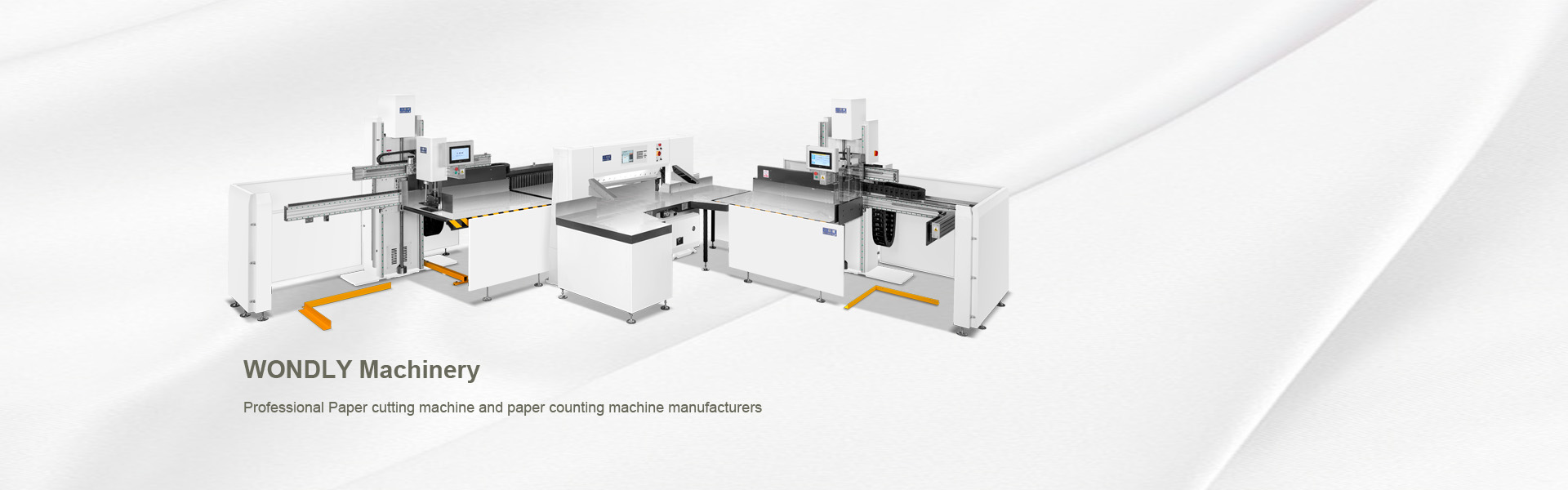
A paper cutting machine is a device used to cut large stacks of paper or similar materials with high precision and consistency. It consists of a sturdy base (or table), a clamping system to hold the material in place, and a sharp cutting blade that descends to make a clean, straight cut. These machines range from small, manual tabletop models for light office use to large, fully automatic paper cutting machines used in industrial settings. The primary purpose is to trim printed materials to their final size after printing, such as books, brochures, posters, and packaging materials.
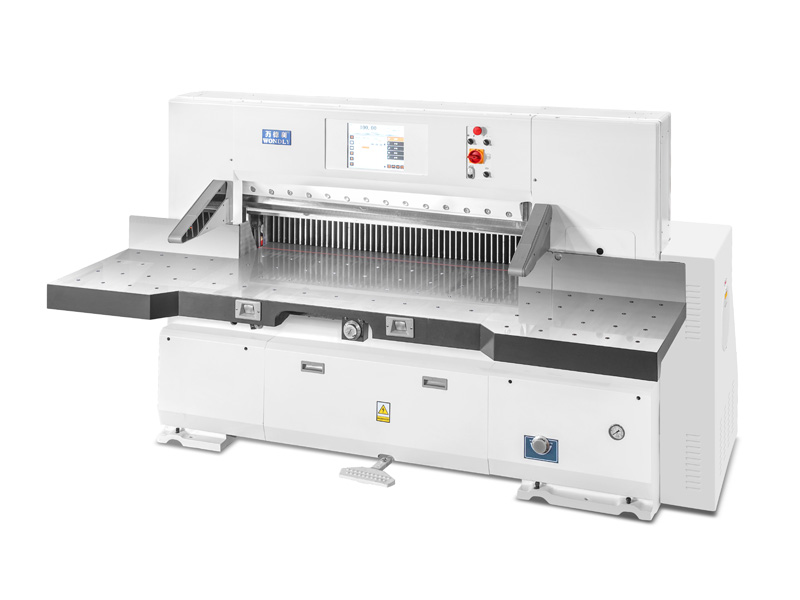
QZYK1150DW HIGH SPEED AUTOMATIC PAPER CUTTING MACHINE
high speed automatic Paper Cutting Machine is used to cut the printing paper of various kinds, paper products, etc.
Applicable Industries: Manufacturing Plant, Printing Shops
Wondly Machinery is professional Hydraulic Program control Paper Cutting Machine manufacturer in china
The working principle of a paper cutting machine can be broken down into a few key steps, whether it's a basic manual cutter or a paper cutting machine .
Positioning and Clamping: The stack of paper is placed against the machine's back gauge and side guides. This back gauge is adjustable, setting the precise measurement for the cut. Before the cut, a hydraulic or electric clamping system presses down firmly on the stack from above. This is critical—it prevents the paper from shifting during the cut, ensuring accuracy and a clean edge.
The Cutting Action: Once clamped, the cutting blade engages. In a hydraulic cutter, a pump creates pressure to drive the blade holder. The extremely sharp, elongated blade (often made of high-grade steel) descends in a slight arc or straight guillotine motion. It slices through the entire stack of paper in one swift, powerful stroke. In automatic paper cutting machines, this process is controlled by a computerized system (CNC) that sets the back gauge position, clamp pressure, and blade cut automatically based on pre-programmed job data.
Return and Waste Removal: After the cut, the blade retracts to its starting position, and the clamp releases. The waste trim (the small off-cut piece) is typically separated, often with the help of a waste remover brush or arm. The accurately cut main stack is then removed, ready for the next operation. Advanced machines feature programmable back gauges that can move to multiple positions for a series of cuts without manual repositioning of the paper.
Operating a paper cutter requires strict adherence to safety protocols due to the powerful, sharp blade involved.
Safety Features: Modern machines are equipped with two-hand operation controls, requiring the operator to use both hands to initiate a cut, keeping them away from the blade area. Light curtains, safety guards, and emergency stop buttons are also standard on industrial paper cutters.
Proper Training: Operators must be fully trained on the specific model. This includes understanding the control panel, setting correct clamp pressure (too low can cause shifting, too high can damage soft materials), and maintaining proper blade sharpness.
Maintenance: Regular maintenance is key. This includes lubricating moving parts, checking hydraulic fluid levels, and most importantly, keeping the blade sharpened or replaced. A dull blade will tear paper instead of cutting it cleanly.
Workspace Discipline: The area around the cutter should be clean and organized. Never reach near the blade while the machine is powered on, and always ensure the clamp is secure before cutting.
While primarily designed for paper, modern cutters are versatile and can process a wide range of sheet materials:
Paper and Cardstock: All types, from thin newsprint to thick cardstock and poster board.
Coated and Uncoated Stocks: Glossy, matte, or uncoated printing papers.
Corrugated Cardboard: For packaging prototypes and small-scale box production.
Plastics and Films: Materials like PVC, polyester, and adhesive labels (using specialized blades).
Foam Board and Felt: For signage and craft applications.
Lightweight Aluminum Sheets: Some heavy-duty cutters can handle non-ferrous metals.
The primary limitations are the maximum cutting height (thickness of the stack) and cutting length (width of the machine's blade). The material's density and composition also dictate the required clamp pressure and blade type. It's always essential to consult the machine's manual for its specific material specifications.
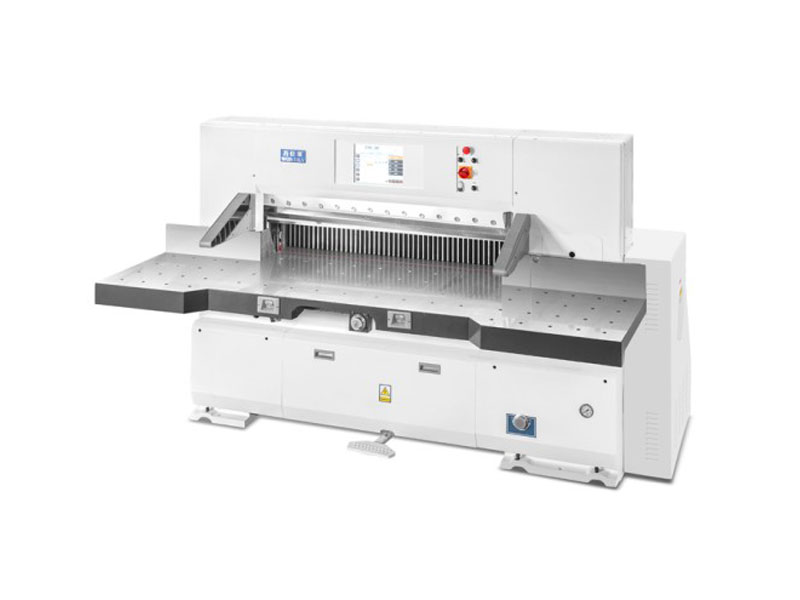
High Speed Large Size Hydraulic Book Pap…
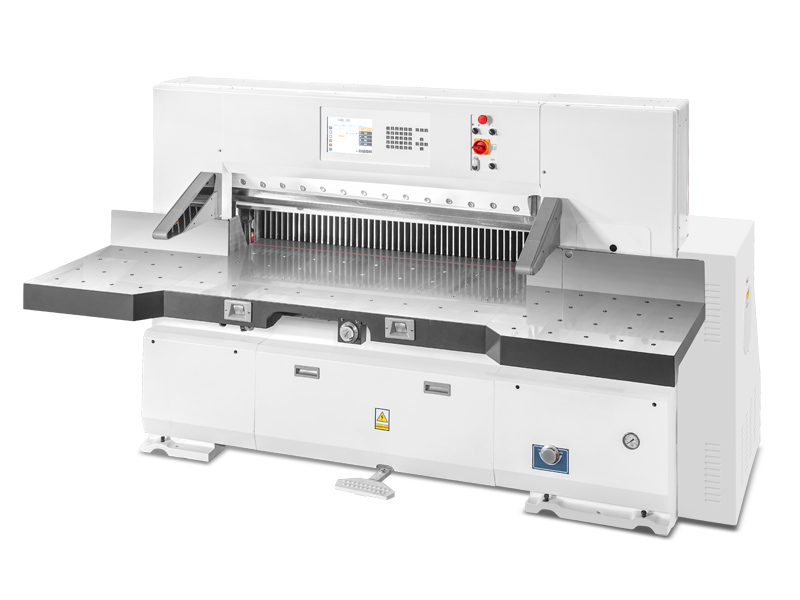
Leather paper Cutting Machine Leather pa…
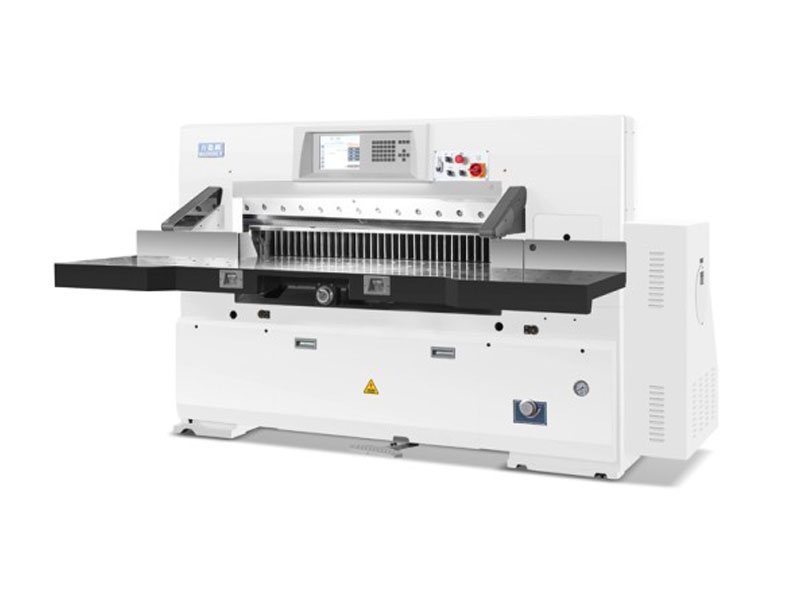
Book paper Cutting Machine Book paper Cu…
From its fundamental role in clamping and precision blade action to its adaptability across various materials, the paper cutting machine is a cornerstone of modern print and paper finishing. Whether you're investing in a robust high-speed automatic paper cutting machine for a large print shop or a simpler model for a copy center, understanding its operation, prioritizing safety, and knowing its material capabilities are the keys to unlocking productivity and achieving professional, precise results in every cut. By choosing the right machine and operating it correctly, businesses can significantly enhance their efficiency and output quality.
Rui'an Wondly Printing Machinery Co, Ltd
Add.:No. 2555, Wanghai Road, Dingshan 2, Rui'an City, Zhejiang Province
WhatsApp: 86-13967730355
E-mail: wdl02@wondly.com

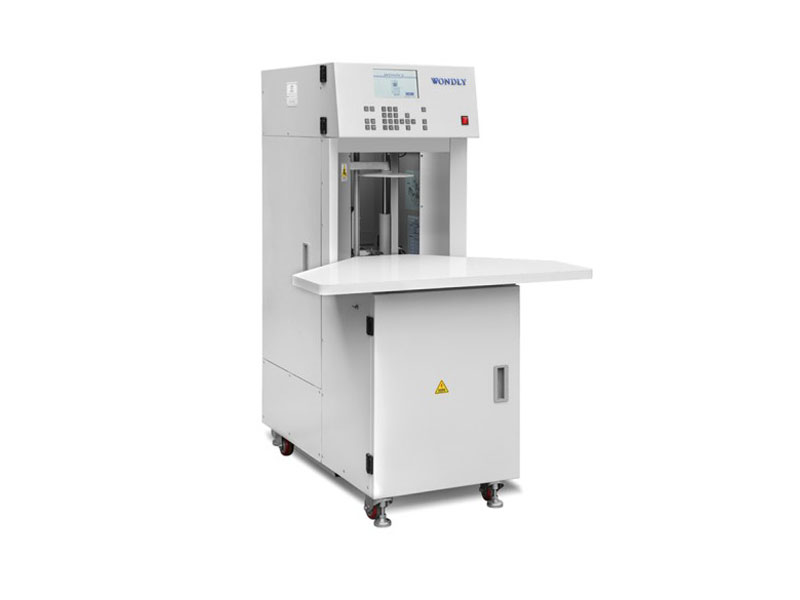
Fully Automatic Sketch Paper Counting Ma…

High Speed Large Size Hydraulic Book Pap…

Leather paper Cutting Machine Leather pa…

Book paper Cutting Machine Book paper Cu…